




Last updated: July 2026
Electric bikes can replace many journeys and remain useful for years, but only when they are designed, used and maintained with longevity in mind. When a battery fails prematurely, replacement parts cannot be obtained or routine maintenance is ignored, an otherwise serviceable e-bike can quickly become electrical waste.
The practical answer is not to stop buying e-bikes. It is to choose more carefully, maintain them properly, repair faults early and recycle batteries and electrical components through appropriate channels at the end of their usable life.
Why do e-bikes become electrical waste?
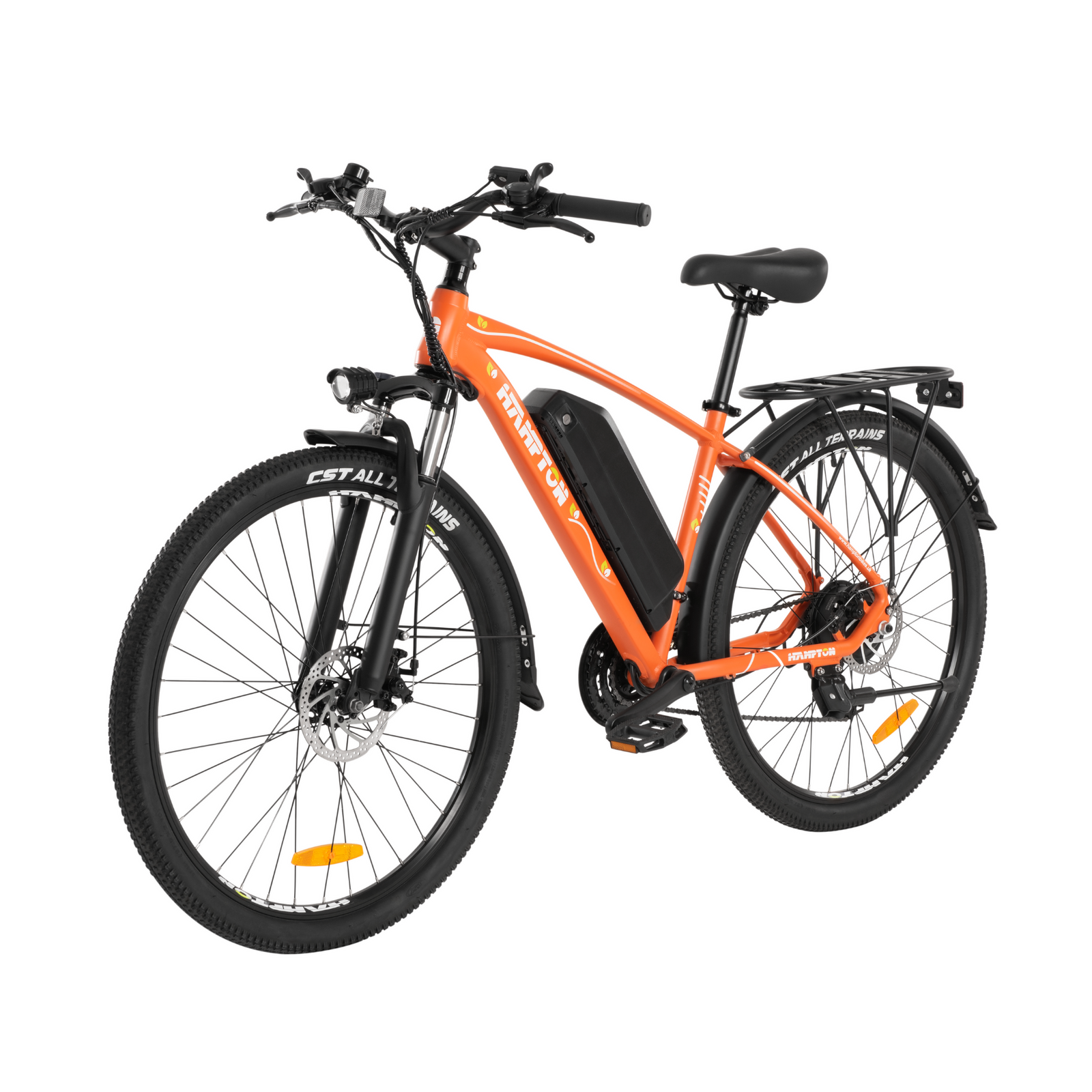
An e-bike combines an ordinary bicycle with a motor, battery, controller, sensors, display, wiring and charger. The mechanical parts may remain usable while one unavailable or uneconomical electrical component prevents the complete bike from working as intended.
Common reasons an e-bike reaches the end of its life prematurely include:
- poor battery care or unsafe charging
- water, corrosion or impact damage
- neglected brakes, tyres, spokes, bearings or drivetrain parts
- unavailable model-specific electrical components
- proprietary systems without long-term support
- unauthorised modifications to the motor or electrical system
- a repair becoming disproportionately expensive after several problems are ignored
Normal wear is unavoidable, but replacing a tyre, chain, brake pad, cable or bearing is very different from discarding an entire bike. Timely maintenance prevents smaller wear-related problems from damaging more expensive components.
The e-bike lifecycle: what makes the biggest difference?
Choose a supportable bike
Look for: Clear specifications, established parts supply, UK support and access to competent servicing.
Maintain the mechanical parts
Protect: Brakes, tyres, chain, gears, spokes, bearings and fasteners through inspection and servicing.
Look after the battery
Avoid: Incorrect chargers, temperature extremes, deep neglect, water exposure and impact damage.
Repair faults early
Act on: Noises, loose components, charging faults, warning codes, damaged cables and declining brake performance.
Reuse before replacing
Consider: Repair, refurbishment, resale or donation when the bike remains safe and supportable.
Recycle responsibly
Never: Put the battery or electrical components in household rubbish or ordinary mixed recycling.
1. Choose an e-bike that can be maintained
Purchase price and headline range are not the only costs that matter. Before buying, investigate whether the bike can realistically be maintained over several years.
Useful questions include:
- Is there an identifiable manufacturer or UK distributor?
- Are replacement batteries, chargers, displays and controllers available?
- Are tyres, brake pads and drivetrain parts standard sizes?
- Can local workshops diagnose the electrical system?
- Is technical information available for the model?
- What warranty and after-sales support is provided?
- How heavy will the bike be to transport if it requires workshop attention?
Our UK electric-bike buyer’s guide explains the practical checks to make before purchasing.
2. Maintain the bicycle—not only the battery
Many e-bike problems begin with ordinary bicycle components. Electric assistance adds weight and can increase the load placed on brakes, tyres, chains, gears and wheels.
Routine checks should include:
- Tyre condition and pressure
- Brake-pad wear and braking performance
- Chain condition and lubrication
- Gear adjustment and smooth shifting
- Wheel alignment and spoke tension
- Loose bolts, racks, mudguards and accessories
- Damage to cables, connectors and the battery mount
- Unusual noises, movement or warning messages
The correct service interval depends on the model, mileage, load, conditions and manufacturer’s instructions. A heavily used cargo bike or year-round commuter may require attention more frequently than a lightly used leisure bike.
3. Protect the battery
The battery is normally one of the most expensive and model-specific parts of an e-bike. Good treatment cannot prevent normal ageing, but it can reduce avoidable stress and damage.
Use the correct charger
Use the charger supplied with the battery or one specifically recommended by the manufacturer. A connector that fits does not prove electrical compatibility.
Follow the charging instructions
Charge within the manufacturer’s permitted temperature range, on a hard and stable surface, away from combustible materials and escape routes.
Protect it from damage
Do not charge or use a battery that has been dropped, crushed, submerged, modified or visibly damaged.
Store it correctly
Follow the manufacturer’s temperature and storage-charge guidance. Keep it dry and protected from extreme heat, extreme cold and large temperature changes.
Inspect it regularly
Stop using the battery if you notice swelling, cracking, leakage, unusual heat, odour, hissing, smoke or repeated charging faults.
For more detail, read our guides to extending battery lifespan and charging e-bike batteries safely.
4. Do not modify the electrical system casually
Battery, controller, motor, display, wiring and charger components are designed to operate as a system. Unauthorised changes can introduce electrical incompatibility, overload connectors, affect battery management and make future diagnosis more difficult.
Modifications can also affect:
- manufacturer support and warranty coverage
- parts compatibility
- safe operation
- insurance arrangements
- the bike’s legal classification
In Great Britain, an e-bike used broadly like an ordinary bicycle must meet the Electrically Assisted Pedal Cycle requirements. Increasing motor power or assisted speed may cause it to fall outside that legal category.
5. Repair faults before they spread
A small problem is often cheaper and less wasteful to correct early. For example:
- a worn chain can accelerate wear to chainrings and the cassette
- loose spokes can contribute to wheel damage
- worn brake pads can damage braking surfaces
- a damaged cable can lead to intermittent electrical faults
- water ingress can worsen if seals or covers remain damaged
- a loose battery mount can damage contacts and connectors
If the bike displays an error code, repeatedly cuts out or develops an electrical fault, record the circumstances and arrange a diagnosis. Continuing to use a visibly damaged or unreliable battery is not an appropriate troubleshooting method.
Repair before replacing
Our Twickenham workshop provides servicing and repairs for compatible electric bikes. An early inspection can help prevent a worn or loose component from causing more extensive damage.
View repair and servicing information6. Reuse a safe and serviceable bike
If an e-bike no longer suits its current owner but remains safe and supportable, it may be suitable for resale, donation or refurbishment.
Before passing it to another person:
- describe its condition honestly
- include the correct charger and available documentation
- disclose known faults, modifications or accident damage
- provide keys and battery-lock information
- do not sell a damaged battery as safe
- make its UK legal classification clear
A professional inspection can be sensible when the bike has been unused for a long period or its service history is unknown.
7. Recycle batteries and electrical parts safely
Waste batteries and electrical products normally display a crossed-out wheelie-bin symbol. They must not be placed in household rubbish or ordinary mixed recycling.
Lithium-ion batteries can be damaged when waste is collected, compacted or processed, creating a serious fire risk. An old battery should be treated as electrical waste even if it no longer holds useful charge.
Safer disposal steps
- Stop using and charging the battery.
- Keep it away from heat, combustible materials and escape routes.
- Do not dismantle, puncture or crush it.
- Contact your local household waste recycling centre and confirm that it accepts e-bike batteries.
- Ask the manufacturer or original retailer whether a suitable take-back arrangement is available.
- Follow the facility’s instructions for packaging, transport and handover.
If the battery is integrated and cannot be removed safely, recycle the complete product through an appropriate electrical-waste route. Do not attempt to cut cables or open the battery enclosure.
What can normally be repaired or replaced?
Mechanical wear parts
Tyres, tubes, brake pads, cables, chains, cassettes, chainrings, bearings and pedals are commonly serviceable or replaceable.
Wheels and controls
Spokes, rims, brake levers, gear controls and some displays can often be repaired or replaced when compatible parts exist.
Electrical components
Motors, controllers, sensors, wiring and battery mounts may be replaceable, depending on diagnosis and parts availability.
Batteries
A battery may require replacement when capacity has declined substantially or a safety fault is confirmed. Battery-pack repairs require properly qualified specialists.
A practical longevity checklist
- Choose a bike with suitable UK parts and after-sales support.
- Read and keep the owner’s manual.
- Follow the manufacturer’s servicing schedule.
- Check tyres, brakes and fasteners regularly.
- Keep the drivetrain clean and appropriately lubricated.
- Use only the correct battery charger.
- Store and charge the battery in suitable conditions.
- Do not ignore noises, looseness, warning codes or charging problems.
- Avoid unauthorised electrical and speed modifications.
- Repair a serviceable bike before replacing it.
- Recycle batteries and electrical components through an approved route.
Frequently asked questions
How long should an e-bike last?
There is no universal lifespan. It depends on build quality, use, maintenance, storage, accident damage and the continuing availability of compatible parts.
Does an old battery mean the whole bike is waste?
Not necessarily. If a safe, compatible replacement battery is available and the rest of the bike remains serviceable, replacement may extend its useful life.
Can an e-bike battery be repaired?
Some specialist work may be possible, but lithium-ion battery packs must not be opened or repaired by an unqualified person. Replacement is often the safer practical option.
Can I put an e-bike battery in household recycling?
No. Use a suitable battery or electrical-waste facility and confirm that it accepts large e-bike batteries before travelling.
Is buying a used e-bike a good idea?
It can be, but check its legal status, battery condition, charger, service history, frame, brakes, electrical system and availability of replacement parts.
What is the best way to reduce e-bike waste?
Choose a repairable model, maintain it properly, protect the battery, address faults early and reuse or recycle components responsibly.
Final thoughts
An e-bike becomes a poor environmental choice when it is treated as a disposable product. Extending its useful life requires action from manufacturers, retailers, workshops and owners.
For riders, the priorities are straightforward: choose a supportable model, perform routine maintenance, protect the battery, avoid unsafe modifications and repair faults before they become larger problems.
When the bike or battery genuinely reaches the end of its useful life, use an authorised reuse or recycling route. Never place lithium-ion batteries or electrical components in household rubbish.
This article provides general maintenance, safety and recycling information. Always follow the instructions supplied with the bike and battery, and confirm local recycling arrangements before transporting electrical waste.


