


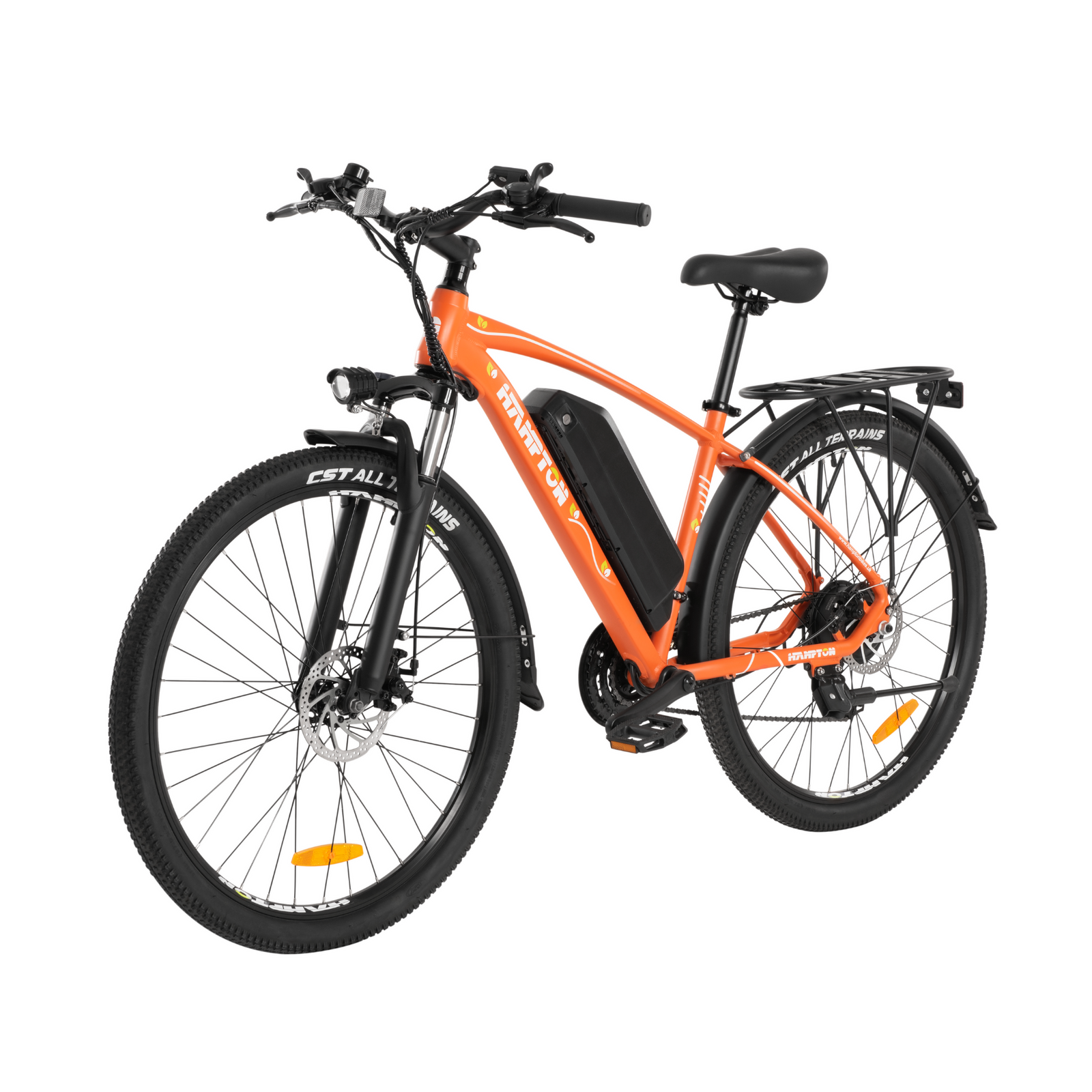


Electric vehicles are often promoted as a cleaner alternative to petrol and diesel transport, but what happens to their batteries when they reach the end of their useful life?
The short answer is yes, electric vehicle batteries can be recycled. Valuable materials including lithium, nickel, cobalt, copper, aluminium and steel can potentially be recovered and returned to the supply chain.
However, an electric-car battery, e-bike battery or e-scooter battery must not be treated like ordinary household waste. Lithium-ion batteries require specialist collection, transport and processing because they can cause serious fires when crushed, punctured, short-circuited or incorrectly handled.
Quick takeaway: Never put an electric vehicle, e-bike or e-scooter battery in your household rubbish or general recycling. Contact the manufacturer, retailer, local authority or an authorised battery-recycling service and confirm that it accepts your particular type of battery.
Last reviewed: 27 July 2026
What parts of an electric vehicle battery can be recycled?
Electric vehicle batteries are made from a mixture of materials rather than one easily recyclable component. The exact materials depend on the battery chemistry and design, but they can include:
- lithium
- nickel
- cobalt
- manganese
- graphite
- copper
- aluminium
- steel
- plastics and electronic components
Metals such as copper, aluminium and steel are already widely recovered. Specialist processes can also extract valuable battery materials such as lithium, nickel and cobalt.
That does not mean every battery is recycled in its entirety. Recovery rates vary according to the battery chemistry, its condition and the recycling technology being used. Plastics, electrolytes and mixed materials can be more difficult to recover than metals.
Reuse, repurpose or recycle?
Recycling is not always the first step for an ageing electric vehicle battery. A battery may move through several possible stages:
- Repair: A qualified technician may be able to repair certain faults if the battery remains structurally safe.
- Reuse: A functioning battery or suitable components may be used again in the same type of vehicle.
- Repurposing: Some electric-car batteries may be assessed and used for less demanding stationary energy-storage applications.
- Recycling: When a battery is no longer safe or practical to reuse, specialist facilities can recover valuable materials.
Whether a battery is suitable for repair or a second-life application must be determined by a competent professional. A battery should never be dismantled or modified at home to find out whether its cells can be reused.
Why battery recycling matters
Recycling electric vehicle batteries has several potential benefits.
Recovering valuable materials
Lithium-ion batteries contain materials that require substantial energy and resources to extract and refine. Recovering usable materials from old batteries can help reduce waste and return valuable metals to manufacturing supply chains.
Reducing dependence on newly mined materials
Recycling cannot eliminate the need for new raw materials, especially while demand for electric vehicles continues to grow. However, it can reduce the amount of newly mined material required for each future generation of batteries.
Improving supply-chain resilience
Materials such as lithium, cobalt, nickel and graphite are strategically important to battery manufacturing. The UK Battery Strategy identifies reuse, repurposing and recycling as important parts of developing a more resilient battery supply chain.
Preventing waste fires
Battery recycling is also a public-safety issue. Lithium-ion batteries thrown into household rubbish or general recycling can be crushed or damaged in collection vehicles and waste-processing machinery.
This can start difficult-to-control fires in bin lorries, recycling centres and waste facilities.
How are lithium-ion batteries recycled?
Battery-recycling methods vary between facilities, but the process generally involves several controlled stages.
1. Collection and assessment
The battery is collected through an appropriate waste route and assessed for damage, remaining charge and possible reuse. Large batteries may require specialist packaging and transport arrangements.
2. Safe discharge and dismantling
Trained operators make the battery electrically safe before separating the casing, wiring, electronic controls, modules and cells where appropriate.
3. Mechanical processing
Battery material may be shredded or crushed under controlled conditions. Steel, aluminium, copper and plastics can then be separated.
The remaining fine material is often called black mass. It can contain lithium, nickel, cobalt, manganese and graphite.
4. Material recovery
Specialist facilities can process this material using one or more methods:
- Pyrometallurgy: High-temperature processing used to recover certain metals.
- Hydrometallurgy: Chemical solutions are used to separate and recover battery materials.
- Direct recycling: Emerging processes aim to preserve or restore parts of the battery's active material rather than breaking everything down into basic elements.
No single process is suitable for every battery chemistry. The technology continues to develop as manufacturers change battery designs and recyclers seek to improve material recovery.
How are electric-car batteries recycled?
Electric-car batteries are large, heavy and capable of storing dangerous levels of electrical energy. They should only be removed and handled by appropriately trained professionals.
If an electric-car battery reaches the end of its usable life, the correct first point of contact will normally be one of the following:
- the vehicle manufacturer
- an authorised dealership or repairer
- an approved vehicle dismantler
- a specialist high-voltage battery recycler
Depending on its condition, the battery may be repaired, remanufactured, repurposed for stationary energy storage or sent for material recovery.
Important: Never attempt to remove, open or dismantle an electric-car battery yourself. High-voltage systems can cause severe injury, electric shock or fire even when the vehicle appears to be switched off.
How should e-bike and e-scooter batteries be recycled?
E-bike and e-scooter batteries are smaller than electric-car batteries, but they still require careful handling. They should not be placed in household rubbish, general recycling or an ordinary public battery bin without first confirming that the collection point accepts larger lithium-ion vehicle batteries.
The government's consumer battery-recycling guidance explains that many supermarkets and large retailers collect portable batteries. However, batteries designed for vehicles or industrial use can require a different collection route.
For an old e-bike or e-scooter battery:
- Check the battery label for the manufacturer, model and chemistry.
- Contact the original retailer or manufacturer and ask about its take-back arrangements.
- Check your local authority's battery and electrical-waste guidance.
- Contact the recycling centre before travelling and confirm that it accepts e-bike or e-scooter batteries.
- Tell the facility in advance if the battery is damaged, swollen, leaking or unusually hot.
- Follow the collector's instructions for safe storage, packaging and transport.
If the battery is permanently built into the vehicle, you may be instructed to recycle the complete e-bike or e-scooter as electrical equipment rather than attempting to remove the battery yourself.
What should you do with a damaged lithium-ion battery?
A battery that is swollen, leaking, cracked, overheating, making unusual noises or producing a strong smell may be unsafe.
Other warning signs can include:
- becoming unusually hot during use or charging
- taking much longer than normal to charge
- losing charge suddenly
- visible deformation or lumps
- hissing or cracking sounds
- smoke or vapour
If you notice one of these warning signs, stop using and charging the battery. Do not open, puncture, crush or attempt to repair it.
Contact the manufacturer, retailer, local authority or specialist recycler, describe the battery's condition accurately and follow their instructions. Do not simply carry a damaged battery into a shop or recycling centre without warning them first.
If a battery is smoking or on fire: Raise the alarm, get everyone out, stay out and call 999. Do not attempt to recover the battery or re-enter the property.
Read our related guide: E-Bike and E-Scooter Battery Fires: Risks, Warning Signs and Prevention.
What should you never do with an old battery?
Never:
- put an e-bike, e-scooter or electric-car battery in household rubbish
- place it in general household recycling
- leave it beside a public recycling bin
- use a small-battery collection box without confirming that the battery is accepted
- open the casing or separate individual cells
- puncture, crush or burn the battery
- allow exposed terminals or wiring to make contact with metal objects
- post or courier the battery without approved dangerous-goods arrangements
- transport a swollen, leaking, smoking or severely damaged battery without professional instructions
The Fire Kills campaign specifically warns that lithium-ion batteries must be disposed of separately and must never be placed in regular rubbish or general recycling.
Can recycled materials be used to make new batteries?
Yes. When recovered to the necessary purity, materials including lithium, nickel and cobalt can potentially be returned to battery manufacturing supply chains. Copper, aluminium and steel can also be recycled into new products.
The long-term objective is a more circular system in which batteries are designed with repair, reuse, repurposing and material recovery in mind.
Recycling is not impact-free, and it does not remove the need for responsible sourcing of new materials. It can, however, reduce waste and retain more value from batteries that have already been manufactured.
How can you delay the need for recycling?
Good battery care may help an e-bike or e-scooter battery remain useful for longer:
- Use the charger supplied or approved by the manufacturer.
- Keep the battery away from extreme heat and direct sunlight.
- Follow the manufacturer's charging and storage instructions.
- Do not use a battery that has been dropped, crushed, flooded or visibly damaged.
- Have faults assessed by a competent repairer.
- Avoid unapproved replacement chargers, cells and battery modifications.
See our detailed guide to how long e-bike and e-scooter batteries last for more advice.
Final thoughts
Electric vehicle batteries can be recycled, but successful recycling depends on getting them into the correct collection system.
Electric-car batteries require professional high-voltage handling. E-bike and e-scooter batteries should be returned through an appropriate retailer, manufacturer, local authority or specialist recycling route. None of these batteries belongs in household rubbish or general recycling.
If a battery is damaged, do not guess how to handle or transport it. Describe its condition to the organisation accepting it and follow its instructions.
Better battery design, longer product life, professional repair and improved recycling all have a role to play. Together, they can reduce waste, recover valuable materials and prevent avoidable battery fires.
This article provides general information rather than technical, environmental or legal advice. Recycling facilities and take-back arrangements vary, so always check with the relevant manufacturer, retailer or local authority before transporting a battery.
Frequently Asked Questions
Can lithium-ion batteries be recycled?
Yes. Specialist facilities can recover materials including copper, aluminium, steel, lithium, nickel and cobalt. The materials recovered and the efficiency of the process depend on the battery chemistry, condition and recycling technology.
Can I put an e-bike battery in a supermarket battery bin?
Do not do so unless the collection operator has confirmed that it accepts e-bike batteries. Many public collection bins are intended for smaller portable batteries and may not accept larger lithium-ion vehicle batteries.
Will my local recycling centre accept an e-scooter battery?
It depends on the facility. Check your council's website and contact the recycling centre before travelling. Tell them if the battery is damaged or built permanently into the scooter.
What should I do with a swollen e-bike battery?
Stop using and charging it. Do not open, puncture or transport it casually. Contact the manufacturer, retailer, local authority or a specialist battery recycler and explain that the battery is swollen. If it is smoking or on fire, get out, stay out and call 999.
Can an electric-car battery be reused?
Potentially. Some batteries can be repaired or repurposed for stationary energy storage after professional testing. Batteries that are unsafe or unsuitable for further use should be sent for specialist recycling.
Does battery recycling completely remove the need for mining?
No. Recycling can reduce demand for newly extracted materials, but growing battery production will still require responsibly sourced raw materials. Recycling is one part of a broader circular battery economy.


