


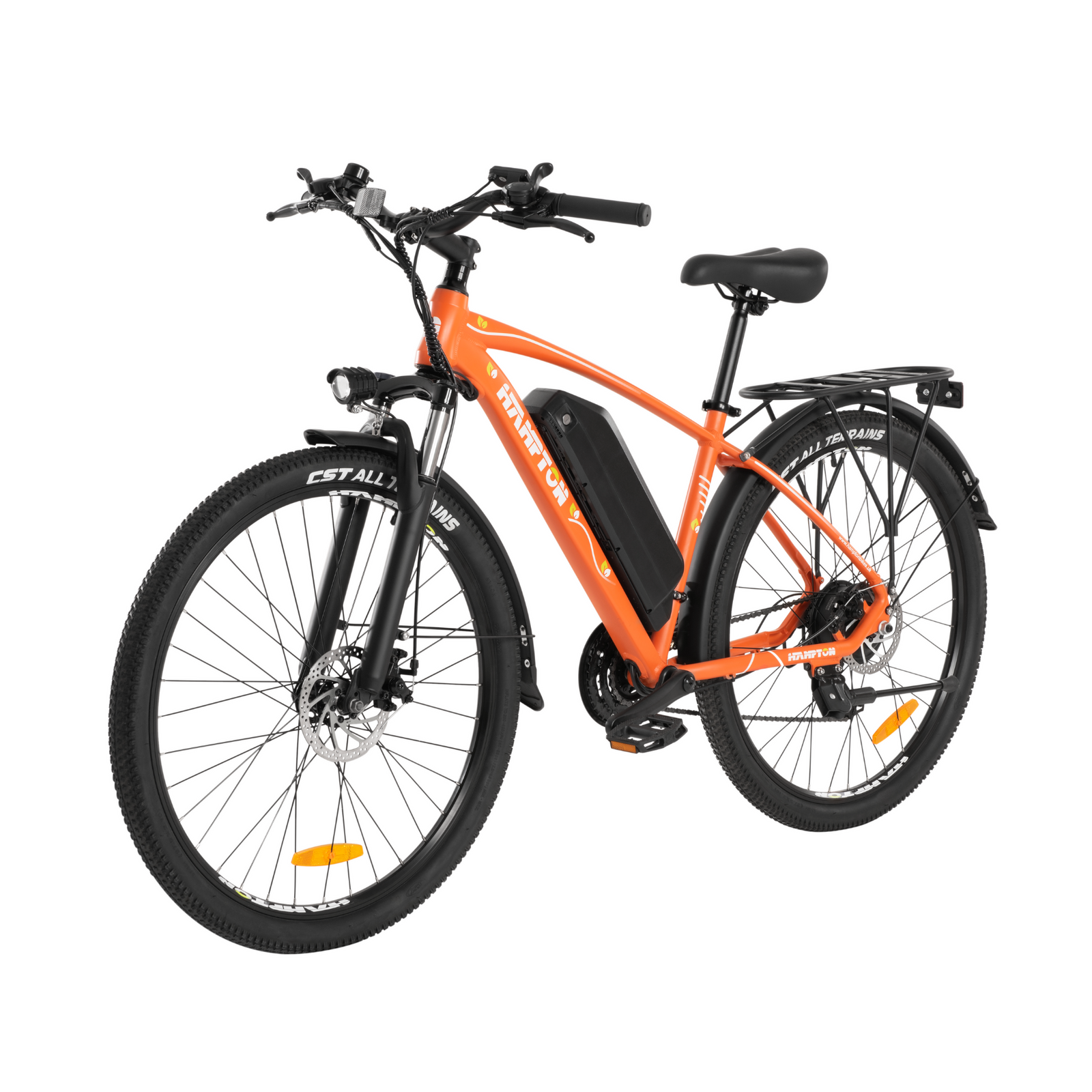


Battery life is one of the biggest concerns for anyone buying or owning an e-bike or e-scooter. It is also one of the most misunderstood topics. Many riders expect a single simple answer, but real-world battery lifespan depends on several factors: battery quality, riding conditions, charging habits, storage, temperature, and general care.
The good news is that most lithium-ion batteries do not suddenly fail without warning. In normal use, battery health usually changes gradually over time. If you look after the battery properly, store it correctly, and charge it safely, you can help it last longer and perform more consistently.
1. There is no single "normal" battery lifespan
There is no universal answer to how long an e-bike or e-scooter battery will last. Different brands, battery cells, riding conditions, and charging habits all affect long-term performance. Two riders with the same model can see very different battery health over time depending on where they ride, how often they charge, and how they store the vehicle.
In practical terms, the better the battery is treated, the more likely it is to maintain its performance. A battery that is regularly exposed to heat, left empty for long periods, or charged carelessly will usually age faster than one that is stored properly and used sensibly.
2. What shortens battery life fastest
The biggest causes of early battery ageing are usually:
- frequent exposure to extreme heat
- storing the battery in very cold or very hot conditions
- leaving the battery fully discharged for too long
- using the wrong charger or poor-quality replacement chargers
- charging a battery that is damaged, wet, or excessively hot from recent use
Heat is one of the biggest problems. High temperatures can accelerate battery degradation, while very cold conditions can reduce short-term performance and make charging less ideal. That is why batteries should not be left in direct sunlight for long periods or stored in unsuitable environments such as damp sheds, hot cars, or freezing spaces without checking the manufacturer's guidance.
3. How to make your battery last longer
The simplest way to improve battery life is to treat the battery as a sensitive electronic component rather than just another part of the bike or scooter.
Store it in a dry, moderate environment.
A dry indoor space is usually the safest and most practical choice. Avoid prolonged exposure to direct sunlight, very high temperatures, and freezing conditions. Moderate indoor temperatures are generally better for long-term battery health than garages, sheds, or vehicles exposed to weather extremes.
Use the correct charger.
Always use the manufacturer-supplied charger or an approved replacement that is clearly compatible with your model. Cheap or incorrect chargers can reduce battery life and may also increase safety risk.
Let the battery cool after riding.
If the battery has just been used on a long ride or under heavy load, allow it to cool down before charging. Charging immediately after hard use can place unnecessary stress on the battery.
Avoid neglect during storage.
One of the most common mistakes is storing an e-bike or e-scooter for weeks or months and forgetting about the battery. Long periods without proper recharging can damage lithium-ion batteries and reduce their useful life.
4. Storage matters more than many riders realise
If you are not planning to use the e-bike or e-scooter for a while, battery storage becomes especially important. Long-term storage is not simply about leaving the vehicle in a corner and hoping for the best.
In general, it is better not to store a lithium-ion battery fully empty for extended periods. For longer storage, many manufacturers recommend keeping the battery at a partial state of charge rather than fully charged or fully discharged. It is also wise to check it periodically and top it up when needed, rather than leaving it untouched for months.
5. Safe charging matters as much as lifespan
Battery life is only part of the conversation. Safe charging is just as important.
Lithium-ion batteries can pose a serious fire risk if they become damaged, faulty, or are charged incorrectly. That is why safe charging habits should be treated as essential, not optional.
Charge on a hard, flat surface
Avoid charging on beds, sofas, carpets, or cluttered areas where heat cannot dissipate properly. A hard, flat surface is a much safer option.
Do not charge unattended overnight.
Do not leave an e-bike or e-scooter battery charging while you are asleep or out of the house. If something goes wrong, early warning signs may be missed.
Keep escape routes clear.
Do not charge near front doors, hallways, or stair routes where a fire could block your exit from the property.
Use a smoke alarm nearby
If possible, charge in an area protected by a working smoke alarm.
6. Warning signs you should never ignore
Lithium-ion batteries often show signs of failure before they catch fire. These warning signs should never be dismissed.
- battery swelling or bulging
- leaking fluid
- physical damage to the casing
- unusual hissing or cracking sounds
- strong chemical smells
- The battery is becoming excessively hot to the touch
If you notice any of these signs, stop using the battery immediately. Unplug it from the charger if it is safe to do so, keep it away, and contact the manufacturer or retailer for further advice. Do not continue charging or riding with a battery that appears damaged or unstable.
7. What riders should realistically expect
The most useful way to think about battery lifespan is not in dramatic marketing claims, but in ongoing real-world performance. A healthy battery should continue to charge properly, deliver consistent assistance or power, and provide a reasonable range for the way the vehicle is used.
Over time, some gradual reduction in range is normal. What matters more is whether the drop is steady and manageable or sudden and severe. If the range falls sharply, charging becomes inconsistent, or the battery begins to overheat, that deserves attention.
For most owners, a well-maintained battery can give solid service for a long time. But it is not a part to neglect. The riders who achieve the best long-term results are usually those who keep the battery dry, avoid temperature extremes, use the correct charger, and do not ignore storage and safety guidance.
8. Final thoughts
If you are asking how long an e-bike or e-scooter battery lasts, the honest answer is: it depends less on a single impressive figure and more on how the battery is treated over time. Good charging habits, sensible storage, moderate temperatures, and early attention to warning signs can make a real difference.
Battery care is not complicated, but it does require consistency. Treat the battery properly, and you are far more likely to get safer, more reliable, and longer-lasting performance from your e-bike or e-scooter.
Frequently Asked Questions
How can I make my e-bike or e-scooter battery last longer?
Store it in a dry place, avoid extreme temperatures, use the correct charger, let it cool after riding before charging, and do not leave it fully discharged for long periods.
Is it bad to leave an e-bike or e-scooter unused for months?
It can be, especially if the battery is left empty and unchecked. Long-term storage should include periodic battery checks and top-ups when needed.
Can cold weather affect battery performance?
Yes. Cold conditions can reduce short-term performance, and extreme temperatures can be harmful if the battery is stored or charged improperly.
What are the warning signs of a failing lithium-ion battery?
Swelling, leaks, physical damage, unusual smells, hissing sounds, and excessive heat are all warning signs that should be taken seriously.


