




Last updated: July 2026
The UK electric vehicle market has entered a more demanding stage. Electric cars are no longer a small specialist category, but rapid growth does not mean that the transition is complete—or that every part of the market is moving at the same speed.
Battery-electric car registrations have risen strongly during the first half of 2026. Public charging infrastructure has also expanded, government grants are supporting selected vehicles and chargepoint installations, and manufacturers face a higher zero-emission sales target.
However, purchase prices, access to affordable charging, taxation and weaker demand among some private buyers remain important challenges.
The UK electric car market in numbers
During the first six months of 2026—26.6% more than during the same period in 2025.
Across UK new-car registrations from January to June 2026.
Battery-electric registrations reached 63,950 during the month.
Available across the UK on 1 April 2026, including 27,372 rated rapid or above.
These figures show substantial progress. Nevertheless, a strong individual month should not be treated as proof that every part of the transition is proceeding without difficulty.
1. Electric car registrations are growing strongly
According to the Society of Motor Manufacturers and Traders, 284,579 new battery-electric cars were registered in the UK during the first half of 2026. That represented growth of 26.6% compared with the first half of 2025.
Battery-electric vehicles accounted for approximately one quarter of the new-car market during this period. In June alone, their share reached 30%, with 63,950 registrations.
Plug-in hybrids also recorded significant growth. Their first-half registrations rose by 38.4%, giving them a market share of approximately 13%.
This suggests that vehicles capable of driving at least part of their journeys on electricity are becoming an increasingly important part of the UK car market.
2. Growth is not the same as a completed transition
Headline registration figures can hide important differences between customer groups.
Business fleets and salary-sacrifice schemes have played a major role in electric-car demand. Company-car taxation remains comparatively favourable for zero-emission vehicles, with a 4% benefit-in-kind percentage for the 2026–27 tax year.
Private buyers can face a different calculation. Factors affecting their decision include:
- the difference between electric and petrol-car purchase prices
- whether they can charge at home
- the price of public rapid charging
- insurance and repair costs
- uncertainty about battery condition and resale value
- the suitability of an EV for their regular journeys
The market is therefore expanding, but the experience of a company-car driver with workplace charging can be very different from that of a private buyer who relies entirely on public chargers.
3. The 2026 Zero Emission Vehicle mandate
The Zero Emission Vehicle mandate requires vehicle manufacturers to ensure that an increasing proportion of their UK registrations are zero emission.
For 2026, the headline targets are:
33% for new cars
The car target increased from 28% in 2025 to 33% in 2026.
24% for new vans
The van target increased from 16% in 2025 to 24% in 2026.
The mandate is a manufacturer compliance system rather than a simple prediction of total retail market share. Manufacturers can use permitted flexibilities, including trading certain allowances and credits, so the headline 33% target should not be read as a guarantee that battery-electric cars will represent exactly 33% of all new-car registrations in 2026.
It does, however, increase pressure on manufacturers to supply and promote zero-emission vehicles.
4. What is the 2026 market forecast?
The SMMT’s mid-2026 outlook forecasts approximately 2.093 million new-car registrations for the full year, which would be 3.6% more than in 2025.
Its forecast for battery-electric cars is:
- approximately 18.7% annual registration growth
- a full-year market share of about 26.8%
Plug-in hybrid registrations are forecast to grow by approximately 25.8%, while the market share of new petrol cars is expected to continue declining.
5. The Electric Car Grant is influencing prices
The UK Electric Car Grant provides point-of-sale discounts on eligible new zero-emission cars. Buyers do not normally make a separate application—the approved discount is reflected in the vehicle’s purchase price.
Eligible vehicles are divided into two bands:
Band 1
A maximum discount of up to £3,750 is available for approved models in this category.
Band 2
A maximum discount of up to £1,500 is available for approved models in this category.
Not every electric car qualifies. Eligibility depends on the model meeting the scheme’s technical and environmental criteria, so buyers should check the current official list rather than relying on an old advertisement or review.
6. Public charging infrastructure continues to expand
Official Department for Transport statistics recorded 119,080 public charging devices in the UK on 1 April 2026. Of these, 27,372 were rated rapid or above at 50kW or more.
The national total is encouraging, but the practical charging experience depends on more than the number of devices. Drivers also need:
- reliable and operational chargers
- clear pricing
- simple contactless payment
- reasonable coverage outside major cities
- adequate charging at motorway and long-distance locations
- accessible bays that are not blocked
Charging availability is especially important for people living in flats, rented homes or properties without private driveways.
7. Home and workplace charging support
From 1 April 2026, the maximum support available through several government chargepoint schemes increased from £350 to £500 per eligible socket.
Available schemes include support for certain:
- renters and flat owners with private off-street parking
- households installing approved cross-pavement charging solutions
- landlords
- businesses and workplaces
Each scheme has specific eligibility and installation requirements. Applicants should check the current conditions before ordering equipment or arranging an installation.
8. Electric cars now pay Vehicle Excise Duty
The exemption from Vehicle Excise Duty for electric vehicles ended on 1 April 2025.
For the period from 1 April 2026 to 31 March 2027:
- an electric car first registered on or after 1 April 2025 generally pays £10 in its first year
- the standard annual rate after the first year is £200
- many electric cars registered between 1 April 2017 and 31 March 2025 also pay the £200 standard rate
Electric cars registered on or after 1 April 2025 with a list price above £50,000 may also become liable for the Expensive Car Supplement from their second licence year.
Tax rules depend on registration date and vehicle circumstances, so owners should check the current GOV.UK guidance for their specific car.
9. Used electric cars are becoming more important
The used market may make electric cars accessible to more buyers than the new-car market alone.
SMMT figures for the first quarter of 2026 showed that used battery-electric car transactions increased by 32% compared with the same period a year earlier, reaching a new record share of the used-car market.
Used EV buyers should still examine more than the advertised range. Important checks include:
- Battery-health information and any remaining battery warranty.
- Service, repair and charging history where available.
- Charging-port compatibility and maximum charging speed.
- Tyre condition, because EV weight and torque can increase wear.
- Insurance costs before committing to the purchase.
- Realistic winter and motorway range rather than the headline laboratory figure alone.
10. The main challenges for the rest of 2026
Affordability
Purchase prices have become more competitive, but upfront cost remains important for many private buyers.
Charging inequality
Drivers with home charging can often access cheaper electricity than people dependent on public rapid chargers.
Consumer confidence
Clear information about battery life, repairability, warranties and resale value remains essential.
Manufacturer pressure
Brands must balance mandate compliance with sustainable pricing rather than relying indefinitely on heavy discounts.
Charging reliability
The quality, location and availability of chargers matter just as much as the headline national total.
Tax changes
Vehicle tax and future road-charging policy may affect the long-term cost comparison with petrol and diesel cars.
11. What should consumers expect?
During the remainder of 2026, UK buyers are likely to see:
- a wider choice of electric cars across more price ranges
- continued manufacturer discounts and finance offers
- more eligible models joining or leaving grant lists as the scheme develops
- further growth in public, workplace and residential charging
- more used electric cars entering the market
- closer scrutiny of real-world range, battery health and ownership costs
Electric cars will continue gaining market share, but the transition will remain uneven. Drivers with off-street parking, predictable daily mileage or access to workplace charging are generally in a stronger position than those who depend entirely on expensive public charging.
12. Cars are only one part of electric mobility
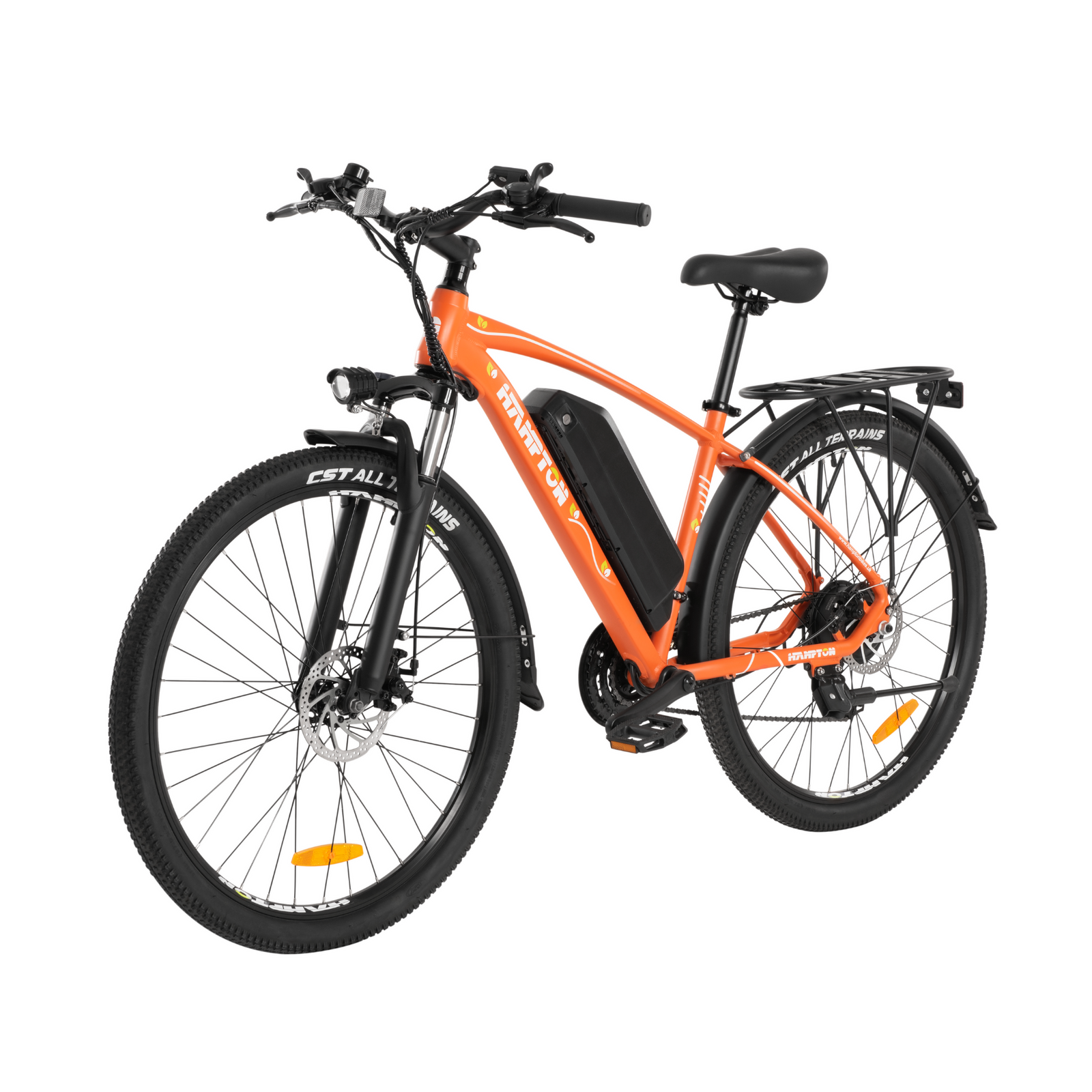
Not every journey requires a car. For shorter urban trips, an electric bike can offer lower purchase, energy, parking and maintenance costs while taking up considerably less road and storage space.
The most suitable choice depends on distance, carrying requirements, weather, physical ability, available infrastructure and the legal classification of the vehicle.
Considering a smaller electric vehicle?
Explore electric bikes for commuting, everyday journeys and practical local transport.
Final thoughts
The UK electric vehicle market is growing strongly in 2026. Battery-electric registrations are rising, public charging is expanding and both regulation and financial support are encouraging manufacturers and consumers to move towards zero-emission vehicles.
However, market growth should not be confused with a finished transition. Affordability, access to charging, taxation, battery confidence and the difference between fleet and private demand will continue shaping the market.
The direction is increasingly clear, but the pace will depend on whether electric vehicles become convenient and financially practical for a broader range of households—not simply whether more models become available.
Registration figures, grants, tax rates and forecasts can change. Check the latest official information before making a purchase or financial decision.
Frequently Asked Questions
What share of UK new-car registrations were electric in the first half of 2026?
Battery-electric cars accounted for approximately 25% of UK new-car registrations between January and June 2026.
How many electric cars were registered during the first half of 2026?
There were 284,579 battery-electric car registrations—26.6% more than during the equivalent period in 2025.
What is the 2026 ZEV mandate target?
The headline zero-emission registration target is 33% for cars and 24% for vans. The mandate includes compliance flexibilities, so these percentages should not be interpreted as a simple forecast of total market share.
Is there a UK electric-car grant in 2026?
Yes. Approved models can qualify for point-of-sale discounts of up to £3,750 in Band 1 or £1,500 in Band 2. Eligibility must be checked against the current official vehicle list.
Do electric cars pay road tax in 2026?
Yes. The electric-vehicle exemption ended in April 2025. The applicable amount depends on the car’s registration date, list price and circumstances.
How many public EV chargers are there in the UK?
Official statistics recorded 119,080 public charging devices on 1 April 2026, including 27,372 rated rapid or above.
Are used electric cars becoming more popular?
Yes. Used battery-electric car transactions increased by 32% during the first quarter of 2026 compared with the equivalent period in 2025.
Sources and further reading
- SMMT: UK electric-vehicle registration data
- SMMT: UK new-car and van outlook
- GOV.UK: Zero Emission Vehicle mandate targets
- Department for Transport: Public charging statistics
- GOV.UK: Electric cars eligible for a grant
- GOV.UK: Electric-vehicle chargepoint grants
- GOV.UK: Vehicle tax for electric and low-emission vehicles


