


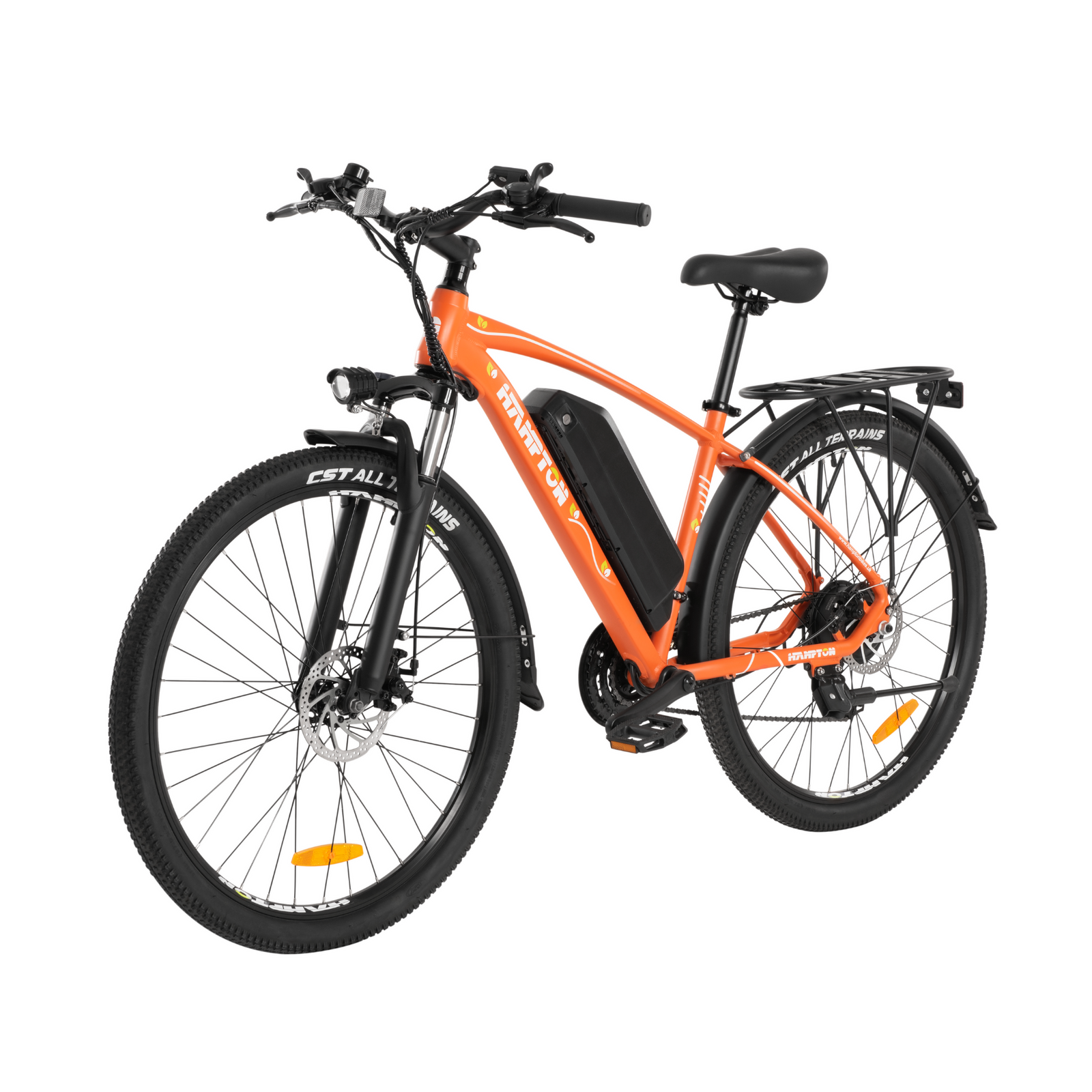


Lithium-ion batteries make modern electric bikes and electric scooters practical, lightweight and convenient. When a battery, charger and electrical system are correctly manufactured, properly matched and used according to the manufacturer's instructions, the risk of fire is generally low.
However, a damaged battery, an incompatible charger, poor-quality replacement components or unsafe charging practices can cause a battery to overheat and fail. When a lithium-ion battery fire occurs, it can develop quickly, spread rapidly and produce toxic smoke.
London Fire Brigade attended 206 e-bike and e-scooter fires in London during 2025: 171 involving e-bikes and 35 involving e-scooters. The Brigade has linked many incidents to battery failure, chargers, conversion kits, damaged products and electrical components that do not meet appropriate safety standards.
Quick takeaway: Use the charger supplied or recommended by the manufacturer, charge on a hard and clear surface, keep batteries away from escape routes, never charge while asleep or away from home, and stop using a battery that becomes extremely hot, swollen, damaged, leaky, noisy or unusually smelly.
Last reviewed: 27 July 2026
Why can an e-bike or e-scooter battery catch fire?
Lithium-ion battery packs contain multiple energy-dense cells together with wiring and a battery management system. If cells become damaged, overheated or electrically unstable, the temperature can rise rapidly and trigger a chain reaction commonly known as thermal runaway.
Possible causes include:
- physical damage caused by a crash, impact or drop
- using an incompatible or poor-quality charger
- faulty, counterfeit or badly manufactured components
- incorrectly installed conversion kits
- unauthorised battery or controller modifications
- exposure to extreme heat or cold
- water entering a damaged battery casing or connector
- continued use of an old, degraded or visibly damaged battery
The battery may release intense heat, flammable gases and toxic smoke. This is why prevention and early recognition of warning signs are so important.
Are all e-bike and e-scooter batteries dangerous?
No. It is important to keep the risk in perspective.
Government guidance says e-bikes from established brands, purchased as complete systems from reputable retailers and used according to their instructions, are understood to present a low fire risk.
Risk increases when the history or quality of the components is uncertain. Particular care is needed with:
- second-hand batteries with an unknown history
- very cheap batteries and chargers from unidentified sellers
- batteries without clear manufacturer information
- modified electrical systems
- conversion kits assembled from separately sourced components
- replacement chargers that have not been approved for the battery
Safety markings can be useful, but a marking by itself is not proof that a product is genuine. Buy from a reputable retailer that can provide clear product information, after-sales support and suitable replacement parts.
How to charge an e-bike or e-scooter battery safely
London Fire Brigade says most e-bike and e-scooter fires happen while the battery is charging. Charging places additional stress on the battery, particularly if the battery is damaged or the charger is incompatible.
Follow these precautions every time you charge:
- Use the charger supplied with the battery or one specifically recommended by the manufacturer.
- Follow the manufacturer's charging instructions.
- Allow the battery to cool after riding before connecting the charger.
- Charge on a hard, flat and stable surface where heat can dissipate.
- Keep the charger, battery and scooter or bike uncovered.
- Keep them away from paper, bedding, clothing and other combustible materials.
- Do not overload electrical sockets or use unsuitable extension leads.
- Check the charger, cable, plug and connectors for visible damage.
- Never leave the battery charging while you are asleep or away from home.
- Unplug the charger after charging has finished.
For more everyday battery advice, see our guide to charging e-scooter and e-bike batteries.
Where should you charge and store the battery?
Choose a location that does not obstruct your route out of the building. Never leave an e-bike, e-scooter or charging battery in a hallway, stairwell, doorway or communal escape route.
A suitable charging location should ideally be:
- away from the main exit and normal escape route
- on a hard, stable surface
- clear of flammable and combustible materials
- protected from extreme heat, freezing temperatures and moisture
- covered by a suitable working smoke alarm
- somewhere the battery can be observed while charging
Make sure everyone in the property knows the escape plan. If you live in a flat, do not charge or store the vehicle in a communal corridor or staircase.
If you manage a workplace, residential building or commercial premises where multiple batteries are stored or charged, this should be covered by the building's fire risk assessment. Seek advice from a competent fire-risk professional about appropriate charging, detection and storage facilities.
Warning signs of a failing lithium-ion battery
Lithium-ion batteries often show signs of failure before a fire starts. Stop using or charging the battery if you notice any of the following:
- Excessive heat: the battery becomes extremely hot rather than mildly warm.
- Swelling: the casing appears bulged, misshapen or develops lumps.
- Leaks: liquid or residue appears around the casing or connectors.
- Physical damage: cracks, dents, punctures or damaged connectors are visible.
- Unusual sounds: the battery makes hissing, popping or cracking noises.
- Unusual smells: there is a strong chemical or unfamiliar odour.
- Charging problems: the battery takes much longer to charge, does not charge fully or repeatedly cuts out.
- Smoke: smoke or vapour is coming from the battery or vehicle.
If a battery shows warning signs but is not smoking, turn the vehicle off and disconnect it from the charger only if it is safe to do so. Do not continue riding or charging it. Contact the manufacturer, retailer or a qualified repair specialist for guidance.
If the battery starts smoking or catches fire:
- get out immediately
- warn everyone else and raise the alarm
- stay out of the building
- call 999
- do not attempt to tackle the fire yourself
Lithium-ion battery fires can spread rapidly and produce toxic smoke. Do not delay your escape to retrieve the scooter, bike, battery or other possessions.
What should you do after a crash or dropped battery?
A battery can be internally damaged even when the outside does not look badly affected. If the battery or vehicle has suffered a significant impact:
- turn the vehicle off
- do not charge the battery
- check for cracks, dents, swelling, leaks, unusual smells or excessive heat
- keep it away from escape routes and combustible materials
- contact the manufacturer, retailer or a qualified battery specialist
Do not open the battery casing or attempt a DIY cell repair. Large lithium-ion packs store considerable energy and should only be inspected or repaired by someone with the appropriate knowledge and equipment.
Can you use a different charger?
Only use a replacement charger that has been approved for your particular battery by the manufacturer.
A connector fitting into the charging port does not prove that the charger is compatible. Chargers can differ in voltage, current, charging behaviour, connector wiring and communication with the battery management system.
An incompatible charger may supply the wrong amount of power, causing the battery to overheat, become damaged or fail unexpectedly.
Avoid unbranded "universal" chargers and replacements without clear manufacturer details. Buy replacement chargers from the original manufacturer or a reputable retailer that can confirm compatibility.
Conversion kits and modified electrical systems
E-bike conversion kits can be useful when they are correctly specified and installed. The risk increases when a battery, charger, controller and motor from different systems are combined without confirming that they are electrically compatible.
Incorrect wiring, weak connectors, damaged cables or modifications to the battery management system may introduce additional failure points.
If you are considering a conversion:
- buy the complete kit from a reputable supplier
- confirm that the supplied charger is intended for the battery
- follow the manufacturer's installation instructions
- use a competent professional if you are unsure about installation
- do not bypass speed, power, temperature or battery protection systems
Power and speed modifications may also change an e-bike's legal classification. Read our guide to UK e-bike laws and EAPC requirements before modifying a road-going electric bike.
Do fire-resistant battery bags prevent fires?
A purpose-made lithium battery safety bag may provide an additional layer of protection, depending on its design, condition and correct use. It should never be treated as a guarantee that a battery fire will be fully contained.
A fire-resistant bag does not replace:
- a compatible manufacturer-approved charger
- a safe and supervised charging location
- a working smoke alarm
- keeping escape routes clear
- removing a damaged battery from use
Never continue charging a swollen, leaking, excessively hot or otherwise suspect battery simply because it has been placed inside a protective bag. Follow the safety product manufacturer's instructions and make sure normal heat dissipation is not obstructed.
Explore ICe BAG battery safety bags.
Purpose-made storage and charging bags are available in several sizes for electric scooters, e-bikes and removable lithium-ion batteries.
SHOP ICe BAG SAFETY BAGSFire-resistant bags are supplementary safety products. They do not make a damaged battery or unattended charging safe and cannot guarantee complete containment.
How should an old or damaged battery be disposed of?
Never put an e-bike or e-scooter battery in household rubbish or ordinary kerbside recycling. Lithium-ion batteries can cause fires if they are crushed, punctured or damaged during waste processing.
Contact the battery manufacturer, retailer or your local authority to find an appropriate battery or electrical recycling facility. Check that the facility accepts large e-bike or e-scooter lithium-ion batteries before travelling.
If a battery is swollen, leaking, extremely hot or physically unstable, ask the manufacturer, local authority or specialist recycler for instructions before moving or transporting it.
A simple battery-safety checklist
- Buy the bike, scooter, battery and charger from a reputable seller.
- Use only the supplied or manufacturer-approved charger.
- Inspect the battery, charger and cables regularly.
- Let the battery cool after use before charging.
- Charge on a hard surface away from combustible materials.
- Keep hallways, stairs and exits clear.
- Never charge while asleep or away from home.
- Unplug the charger when charging is complete.
- Stop using a battery that is damaged, swollen, leaking, excessively hot, noisy or unusually smelly.
- Never put a lithium-ion battery in household waste.
Correct charging and storage also help reduce unnecessary battery degradation. See our guide explaining how long e-bike and e-scooter batteries last.
Frequently asked questions
Is it safe to charge an e-bike or e-scooter overnight?
No. Fire-service guidance says batteries should not be charged while you are asleep or when nobody is present to notice a problem. Charge while you are awake and at home, and unplug the charger when charging is complete.
Is it normal for a battery to become warm while charging?
Some warmth can be normal. A battery that becomes extremely hot, starts swelling, produces an unusual smell or makes hissing or cracking noises may be failing. Stop charging it and seek professional guidance.
Can I use another charger if the plug fits?
Not unless the manufacturer confirms that the charger is compatible. The same connector can be used by chargers with different electrical specifications.
Does a fire-resistant battery bag make unattended charging safe?
No. A battery bag should only be considered an additional precaution. It does not make an unsafe battery or incompatible charger safe, and charging must still be supervised with escape routes kept clear.
What should I do if my battery starts smoking?
Get out immediately, warn others, stay out and call 999. Do not attempt to move the battery or extinguish the fire yourself.
Official safety information
- London Fire Brigade: How to charge e-bikes and e-scooters safely
- London Fire Brigade: Battery warning signs
- London Fire Brigade: Buying safe batteries and chargers
- GOV.UK: Managing e-cycle and e-scooter battery fire risk
- GOV.UK: Recycling batteries and electrical waste
This article provides general safety information. Always follow the instructions supplied by the battery and vehicle manufacturer. Businesses, landlords and premises managers should obtain competent advice for their specific fire-risk assessment.


